Ngorongoro Crater
Tanzania’s Big Five Safari Paradise
Visit Ngorongoro Crater in Tanzania, a world-famous safari destination known for Big Five wildlife, rare black rhino sightings, dramatic volcanic scenery and excellent year-round game viewing.
About Ngorongoro Crater
Why Visit Ngorongoro Crater?
A Ngorongoro Crater safari is one of the most rewarding wildlife experiences in Tanzania, and one of the best places in Africa for reliable Big Five viewing. This ancient volcanic caldera packs open grasslands, forests, swamps and a soda lake into a single, compact floor roughly 260 square kilometers wide, so a Ngorongoro safari tends to deliver more sightings per hour of driving than almost anywhere else on the northern circuit.
Many travelers combine their Ngorongoro crater safari with a wider Tanzania safari tour, pairing it with Serengeti National Park, Tarangire National Park, Mount Kilimanjaro, or a Zanzibar beach extension afterward.
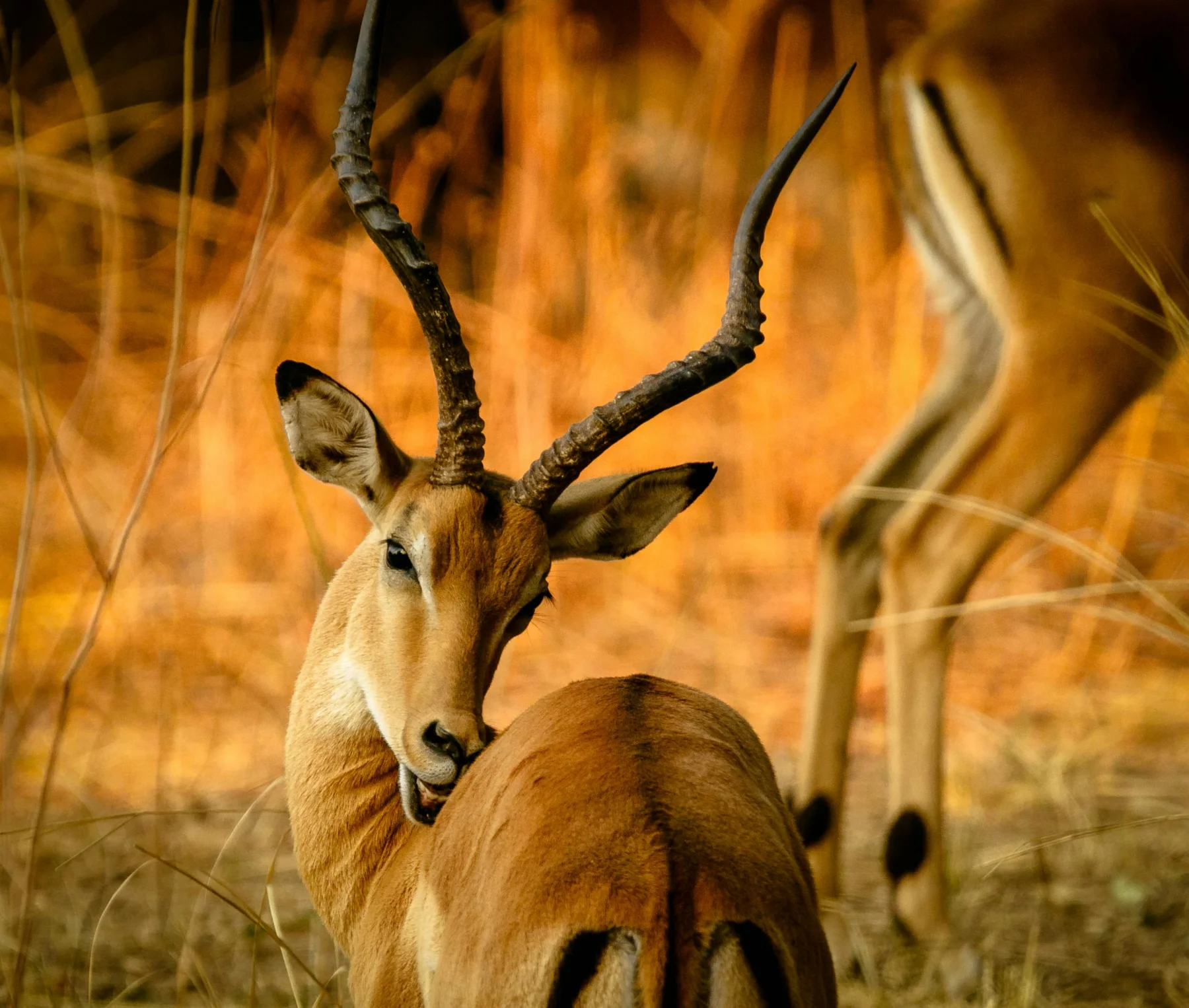
The crater is home to lions, elephants, buffaloes, zebras, wildebeest, hyenas, hippos, flamingos and the rare black rhino, one of the few reliable places in East Africa to see all of them together. Because wildlife is concentrated within a compact area, most Ngorongoro safaris only need a single day on the crater floor to see the highlights, which is why it fits easily into even a short northern circuit itinerary.
Ngorongoro Conservation Area is managed by the Ngorongoro Conservation Area Authority and is recognized by UNESCO as a World Heritage Site for its outstanding natural and cultural value.
Ngorongoro Crater Entrance Fees and Permits
A Ngorongoro Conservation Area entrance permit costs from $70.80 per adult, per day, with a reduced rate of around $23.60 for children aged 5 to 15 and free entry for children under 5. Descending onto the crater floor itself requires a separate crater service fee of $295 per vehicle, per trip, charged once regardless of how many passengers are in the vehicle. If you are only transiting through Ngorongoro on your way to the Serengeti without descending into the crater, the descent fee does not apply.
Fees are paid electronically at the gate; cash is not accepted for entrance permits. In practice, almost every Ngorongoro crater safari is booked through a licensed tour operator, who arranges and includes these fees in the itinerary price, so you generally will not need to handle payment yourself. Government fees are reviewed periodically, so treat the figures above as a planning guide and confirm the current rate with your safari operator before booking.
Best Ngorongoro Crater Safari Experiences
Most Ngorongoro safari tours follow the same basic shape: an early descent onto the crater floor for a full morning of game drives, a picnic lunch beside one of the crater's lakes or forests, and an afternoon ascent back to the rim. Within that structure there is real variety, from budget group-join safaris to fully private, luxury itineraries.
Luxury crater-rim lodges put you a short drive from the descent road with panoramic caldera views from your room. Private guided safaris allow a flexible pace and unhurried time at sightings. Photography-focused itineraries plan the descent around the best light of the day. And for travelers combining wildlife with culture, several Maasai villages along the crater rim welcome respectful visits as part of a wider northern circuit tour.
Ngorongoro or Serengeti: Which Should You Choose?
This is one of the most common questions we get about Tanzania safari planning, and the honest answer is that most itineraries benefit from both rather than choosing one. Ngorongoro rewards travelers with limited time: its wildlife density means a single day on the crater floor consistently delivers Big Five sightings, including the black rhino, which is genuinely difficult to find elsewhere in Tanzania. The Serengeti, by contrast, is vast and open, better suited to travelers with several days to explore different sectors, follow the Great Migration, or get away from other vehicles.
A well-built northern circuit safari typically spends one to two days in Ngorongoro and three or more days in the Serengeti, using the road between them to also stop at Olduvai Gorge or Lake Manyara. If your schedule is tight, Ngorongoro alone is a defensible, satisfying safari in its own right.
Getting to Ngorongoro Crater
Ngorongoro Conservation Area sits roughly 190 km, or about 3.5 to 4 hours by road, from Arusha, Tanzania's main northern safari hub. Most travelers fly into Kilimanjaro International Airport, connect to Arusha, and then join a private or shared vehicle safari overland. Fly-in safaris using the Lake Manyara Airstrip are also available for travelers short on time or continuing on to a lodge on the crater rim.
Plan Your Visit
Tell us your travel dates and preferred style. Our safari specialist will help you design the best Ngorongoro Crater itinerary.
Highlights
- Big Five wildlife viewing on a single crater floor
- Rare black rhino sightings
- World’s largest intact, unbroken volcanic caldera
- One of the densest lion populations in Africa
- Flamingos and hippos on Lake Magadi
- Luxury crater rim lodges with panoramic views
- Maasai cultural village visits along the crater rim
- Excellent year-round safari conditions
Wildlife You May See
Getting There
Ngorongoro Crater Gallery


Seasons at Ngorongoro Crater
Lush Wildlife Season
Green crater scenery, excellent wildlife viewing and fewer safari crowds.
Quiet Green Season
Beautiful landscapes, cooler weather and peaceful safari experiences.
Peak Safari Season
Dry conditions, clear visibility and outstanding wildlife concentration.
Comfort Season
Fresh scenery, pleasant temperatures and rewarding game drives.
Planning Your Trip
Best Time To Visit
The best time to visit Ngorongoro Crater depends on your safari goals. Dry months are excellent for wildlife viewing, while green-season months can offer beautiful landscapes, fewer crowds and excellent photography.
Safari Activities
Popular experiences around Ngorongoro Crater may include game drives, wildlife photography, cultural visits, walking activities, scenic viewpoints, beach extensions or adventure activities depending on the destination.
Suggested Safari Style
Serengeti Safari can arrange budget, midrange and luxury travel options for Ngorongoro Crater, including private safari vehicles, trusted guides and carefully selected accommodation.
Frequently Asked Questions About Ngorongoro Crater
What is Ngorongoro Crater famous for?+
How much does it cost to visit Ngorongoro Crater?+
Can I see the Big Five in Ngorongoro Crater?+
How many days should I spend in Ngorongoro?+
Should I visit Ngorongoro or the Serengeti?+
Is Ngorongoro Crater good for family safaris?+
When is the best time to visit Ngorongoro Crater?+
Safari Tours Featuring Ngorongoro Crater
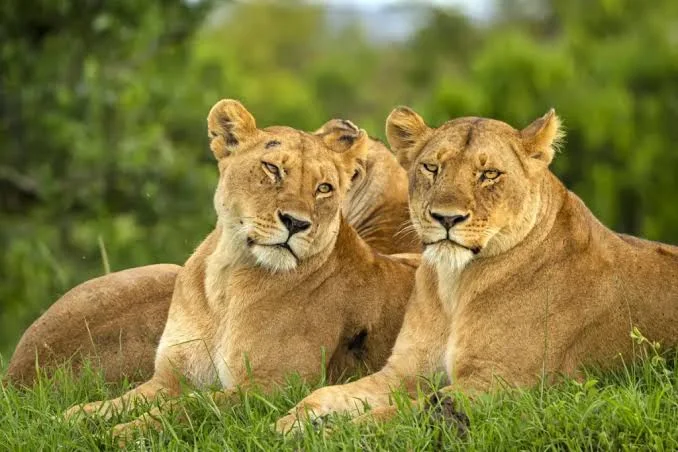
3-Day Lolldaiga Hills Conservancy Safari
View Safari Details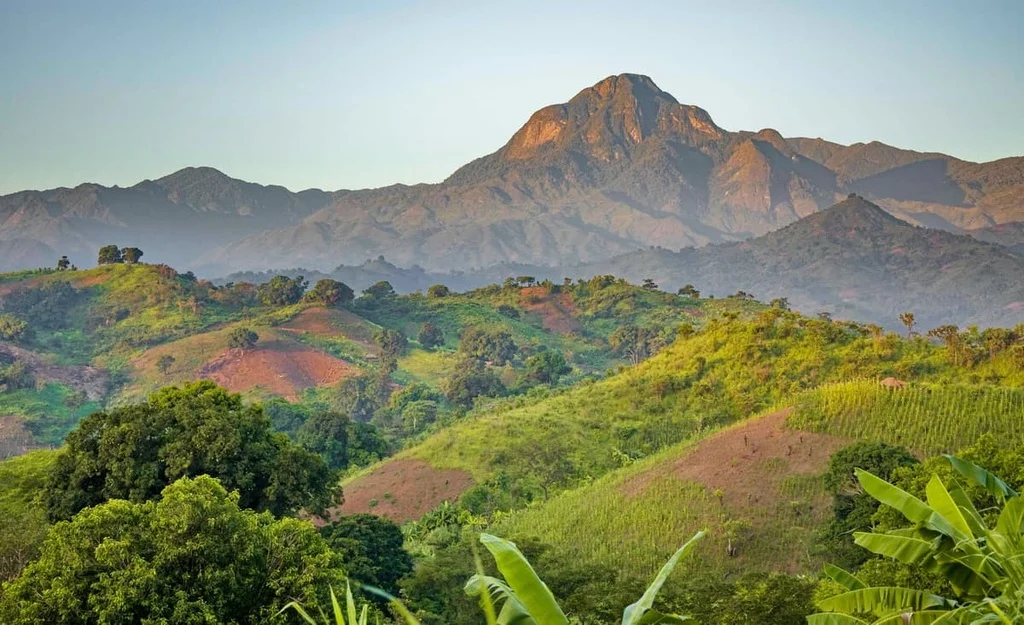
4-Day Rubeho Mountains Safari
View Safari Details